Smart Home Architecture Planning Guide
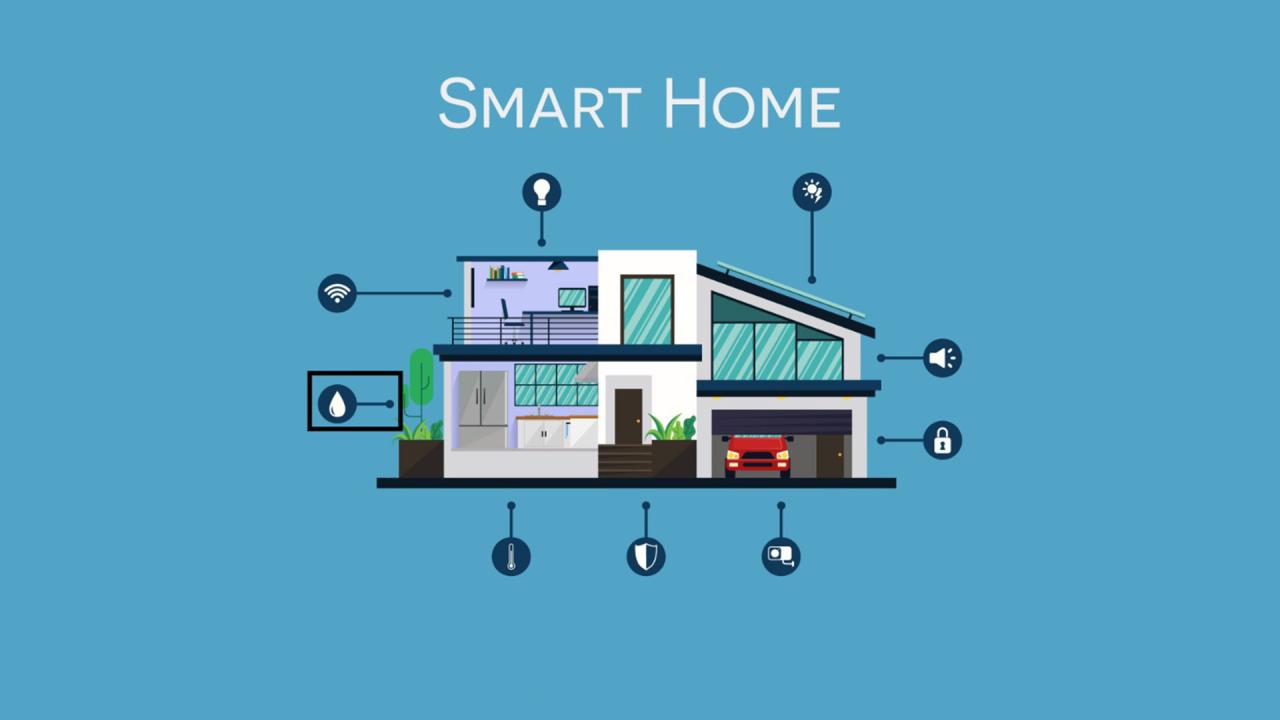
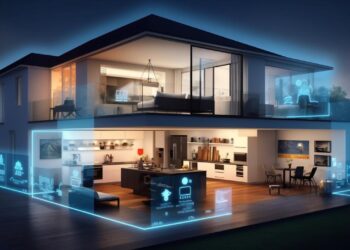
When it comes to smart homes, architecture planning plays a crucial role in ensuring that the technology seamlessly integrates into the living space. A well-thought-out architecture plan not only enhances the functionality of smart devices but also improves the overall efficiency and convenience of the home.
Key Considerations for Smart Home Architecture Planning
- Integration of Smart Devices: The architecture should include provisions for smart devices to be seamlessly integrated into the design without compromising the aesthetics of the home.
- Network Infrastructure: Planning for a robust network infrastructure is essential to support the connectivity requirements of smart devices throughout the home.
- Energy Efficiency: Designing the architecture with energy-efficient features can help optimize the use of smart devices and reduce overall energy consumption.
- Scalability: Considering the future scalability of the smart home system allows for easy upgrades and additions as new technologies emerge.
- Security: Implementing robust security measures in the architecture design is crucial to safeguard the data and privacy of the smart home occupants.
Examples of Efficient Smart Home Architecture Designs
Efficient smart home architecture designs prioritize the seamless integration of technology while enhancing the overall convenience and comfort of the occupants. Here are some examples:
Smart Lighting Systems: Architectural designs that incorporate smart lighting systems with motion sensors and dimming capabilities for energy efficiency and convenience.
Integrated Home Automation: Architectural layouts that seamlessly integrate home automation systems for centralized control of smart devices such as thermostats, security cameras, and entertainment systems.
Solar Panel Integration: Architectural designs that incorporate solar panels into the structure of the home to harness renewable energy and reduce reliance on traditional power sources.
Integration of Technology
Incorporating smart technologies into the architectural design of a home is essential for creating a truly smart home environment. By seamlessly integrating technology, homeowners can enjoy the benefits of convenience, efficiency, and enhanced security.
Role of IoT Devices in Smart Home Architecture Planning
IoT devices play a crucial role in smart home architecture planning by connecting various smart devices and systems to enable communication and automation. These devices, such as smart thermostats, lighting controls, and security cameras, create a network that can be controlled remotely through a smartphone or voice commands.
By strategically placing IoT devices throughout the home, homeowners can optimize energy usage, improve safety, and enhance overall comfort.
Tips for Seamlessly Incorporating Technology
- Plan for technology integration early in the design process to ensure that wiring and infrastructure are in place.
- Consider the aesthetics of smart devices and choose options that complement the design of the home.
- Opt for wireless smart devices to minimize the need for additional wiring and installation complexities.
- Utilize smart home hubs or controllers to centralize the management of various devices and systems.
- Customize automation settings to suit the specific needs and preferences of the homeowners.
Energy-Efficient Design
Energy-efficient design plays a crucial role in smart home architecture, as it helps reduce energy consumption, lower utility bills, and minimize environmental impact. By incorporating sustainable building materials and techniques, along with smart home features that enhance energy efficiency, homeowners can create a more comfortable and eco-friendly living space.
Sustainable Building Materials and Techniques
When constructing a smart home, using sustainable building materials and techniques can significantly contribute to energy efficiency. Materials such as recycled steel, bamboo flooring, reclaimed wood, and energy-efficient windows can help reduce the environmental footprint of the home. Techniques like passive solar design, proper insulation, and efficient ventilation systems also play a key role in maintaining a comfortable indoor environment while minimizing energy usage.
Smart Home Features for Energy Efficiency
- Smart thermostats: These devices can learn your heating and cooling preferences, adjust temperature settings based on your schedule, and optimize energy usage.
- LED lighting: Energy-efficient LED bulbs consume less electricity and have a longer lifespan compared to traditional incandescent bulbs.
- Solar panels: Installing solar panels on the roof can harness renewable energy from the sun to power your home and reduce reliance on the grid.
- Smart appliances: Energy-efficient appliances equipped with smart technology can help you monitor and control energy usage, optimizing efficiency.
Security and Privacy
In the context of smart home architecture, security and privacy are of utmost importance to protect both the physical and digital aspects of the home. Ensuring that personal data and devices are safeguarded from cyber threats is essential for a seamless and secure smart home experience.
Integrating Security Systems
When designing a smart home, it is crucial to integrate security systems seamlessly into the architectural plan. This includes incorporating features such as smart locks, security cameras, and motion sensors that can be controlled remotely through a central hub or mobile device.
By strategically placing these security devices throughout the home, residents can monitor and secure their property effectively.
- Utilize encrypted communication protocols: Ensure that all smart home devices communicate using secure, encrypted protocols to prevent unauthorized access to sensitive data.
- Implement multi-factor authentication: Require multiple forms of authentication, such as passwords and biometric verification, to access smart home systems and devices.
- Regularly update software and firmware: Keep all smart home devices up to date with the latest security patches to protect against known vulnerabilities.
- Secure the home network: Set up a separate network specifically for smart home devices to isolate them from personal devices and minimize the risk of unauthorized access.
Safeguarding Devices and Data
Safeguarding smart home devices and data from cyber threats requires proactive measures to enhance security and protect privacy.
- Change default passwords: Immediately change the default passwords on all smart home devices to unique, strong passwords to prevent unauthorized access.
- Enable firewall protection: Configure a firewall on the home network to filter incoming and outgoing traffic and block potential threats.
- Monitor device activity: Regularly check the activity logs of smart home devices to detect any unusual behavior that may indicate a security breach.
- Secure physical access: Physically secure smart home devices to prevent tampering or unauthorized access by placing them in secure locations within the home.
Accessibility and Universal Design
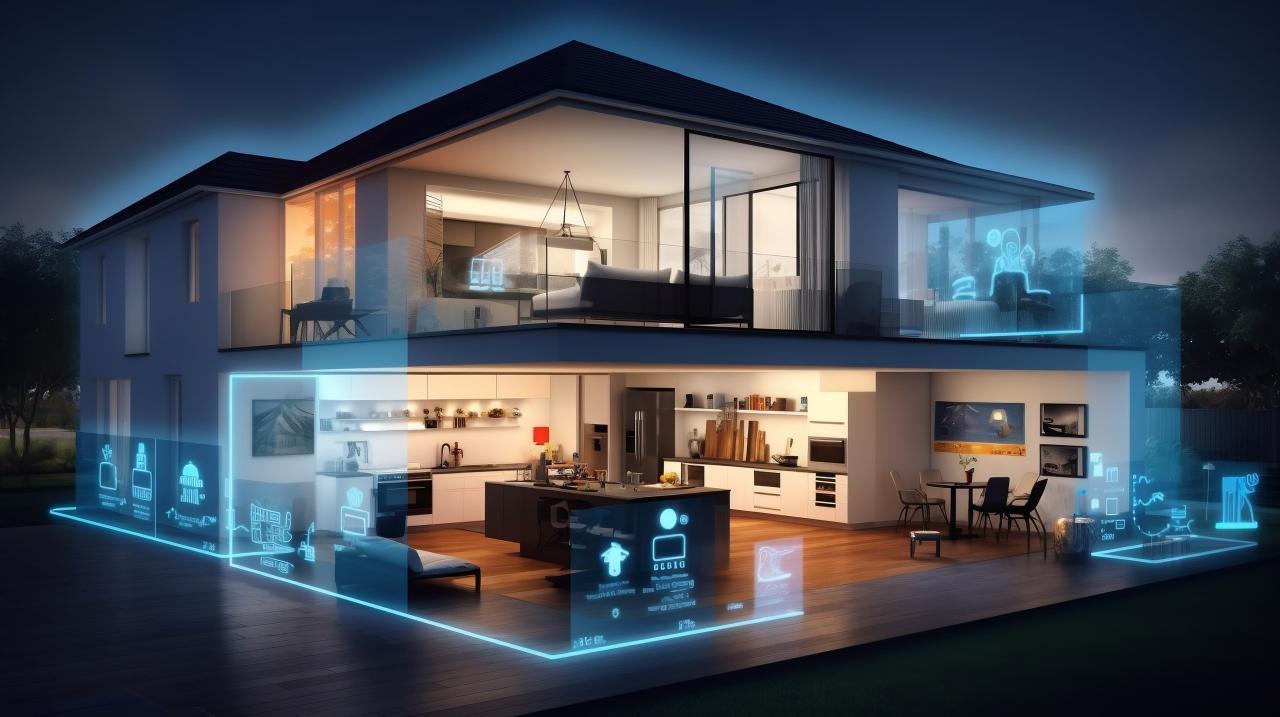
In the context of smart homes, accessibility and universal design play a crucial role in ensuring that all individuals, including those with disabilities, can benefit from the technology and features available. Universal design focuses on creating spaces and products that are usable by people of all abilities, without the need for adaptation or specialized design.
Prioritizing Accessibility in Architecture Planning
Architecture planning for smart homes can prioritize accessibility by incorporating features that enhance usability and convenience for individuals with diverse needs. This includes:
- Smart lighting systems that can be controlled through voice commands or mobile apps, making it easier for individuals with mobility issues to adjust the lighting in their homes.
- Automated doors and windows that can be operated remotely, providing easy access for individuals with limited mobility.
- Voice-activated assistants that can help individuals with visual impairments or mobility limitations to control various devices and access information.
- Sensors and smart home devices that can monitor the environment for safety hazards and provide alerts or assistance in case of emergencies, benefiting individuals with disabilities.
Answers to Common Questions
How important is architecture planning in smart homes?
Architecture planning is crucial in smart homes as it lays the foundation for integrating technology seamlessly into the design.
What are some examples of smart home features that enhance energy efficiency?
Examples include smart thermostats, energy-efficient lighting, and solar panels that reduce energy consumption.
How can security systems be integrated into the architectural design of a smart home?
Security cameras can be discreetly placed, and smart locks can be seamlessly incorporated into doors for enhanced security.
What is universal design in smart homes?
Universal design focuses on creating spaces that are accessible to individuals of all abilities, promoting inclusivity and ease of use.