Famous Architects
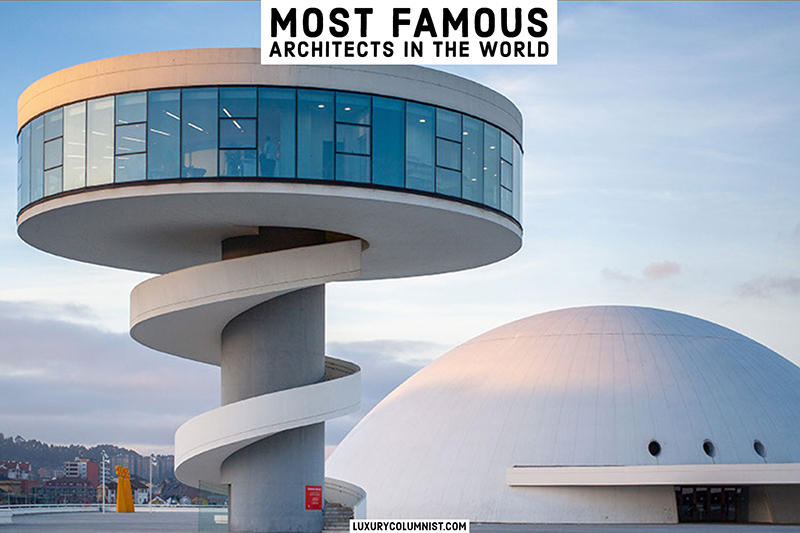
In the world of architecture, there are several renowned architects who have left a lasting impact with their iconic projects. These architects have distinct styles and design philosophies that have influenced the field of architecture in significant ways.
Frank Lloyd Wright
Frank Lloyd Wright, known for his organic architecture approach, believed in designing structures that harmonize with their natural surroundings. His iconic projects like Fallingwater and the Guggenheim Museum showcase his innovative use of materials and integration of nature into his designs.
Zaha Hadid
Zaha Hadid, a pioneer of parametric design, pushed the boundaries of architecture with her futuristic and fluid forms. Her projects, such as the Heydar Aliyev Center and the Guangzhou Opera House, reflect her avant-garde style and emphasis on creating dynamic spaces.
I.M. Pei
I.M. Pei, known for his modernist approach and use of geometric shapes, created iconic structures like the Louvre Pyramid and the Bank of China Tower. His architectural style combined simplicity with elegance, leaving a lasting impact on the architectural landscape.
Rem Koolhaas
Rem Koolhaas, a leading figure in contemporary architecture, is known for his unconventional designs and critical approach to urban planning. Projects like the CCTV Headquarters and Casa da Música demonstrate his innovative use of space and materials, challenging traditional notions of architecture.
Norman Foster
Norman Foster, with his emphasis on sustainability and technology, has created iconic projects like The Gherkin and the Reichstag Dome. His designs prioritize energy efficiency and environmental considerations, influencing the shift towards green architecture in the modern era.
Iconic Projects
Many famous architects have left a lasting legacy through their iconic projects that have stood the test of time. Let's explore some of these remarkable buildings and structures.
Fallingwater by Frank Lloyd Wright
Fallingwater, located in Pennsylvania, is a stunning example of organic architecture where the building is seamlessly integrated with its natural surroundings. The cantilevered design of the house, hovering above a waterfall, is a masterpiece of modern architecture.
Sydney Opera House by Jørn Utzon
The Sydney Opera House is instantly recognizable with its unique sail-like shells that form the roof structure. This iconic building is a symbol of Australia and a UNESCO World Heritage site, showcasing innovative engineering and design.
Guggenheim Museum by Frank Gehry
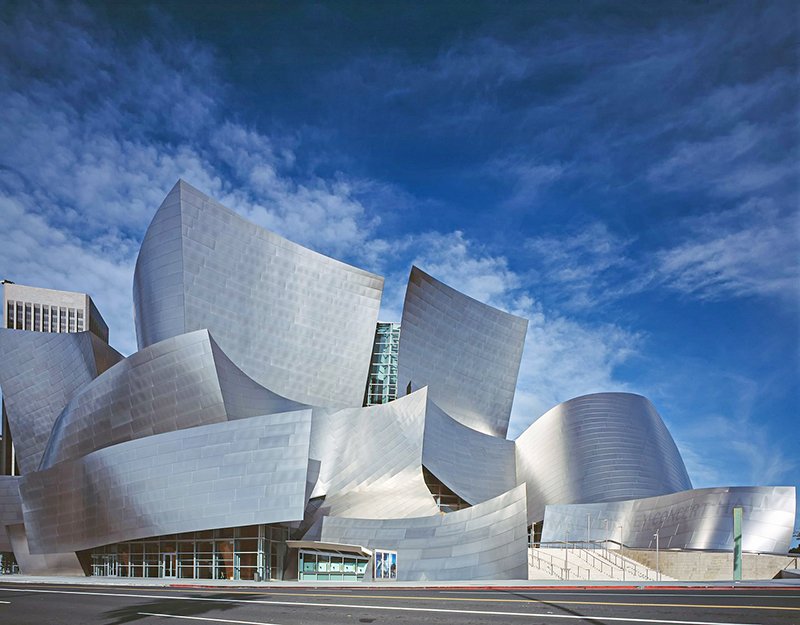
The Guggenheim Museum in Bilbao, Spain, is known for its futuristic and sculptural design. The titanium-clad building features unconventional curves and shapes, creating a dynamic visual experience for visitors.
Burj Khalifa by Adrian Smith
The Burj Khalifa in Dubai is the tallest building in the world, reaching soaring heights with a sleek and modern design. The skyscraper's innovative structural system and aesthetic appeal have set new standards in architectural achievement.
Influential Styles
Famous architects have played a crucial role in shaping architectural styles over time, influencing trends and setting new standards in the field. Their innovative designs and bold concepts have left a lasting impact on modern architecture.
Evolution of Modernism
Modernism in architecture emerged in the early 20th century, characterized by simplicity, clean lines, and the use of modern materials such as steel and glass. Architects like Le Corbusier and Ludwig Mies van der Rohe were pioneers of this style, emphasizing functionality and minimalism in their iconic projects.
Their influence can be seen in the sleek skyscrapers and geometric structures that define contemporary cityscapes.
Postmodern Playfulness
In response to the rigidity of modernism, postmodern architecture introduced a more playful and eclectic approach to design. Architects like Frank Gehry and Zaha Hadid pushed the boundaries of form and materiality, creating iconic buildings that challenge traditional conventions. Their work has inspired a new generation of architects to experiment with bold shapes and unconventional materials, reshaping the urban landscape with innovative designs.
Legacy and Impact
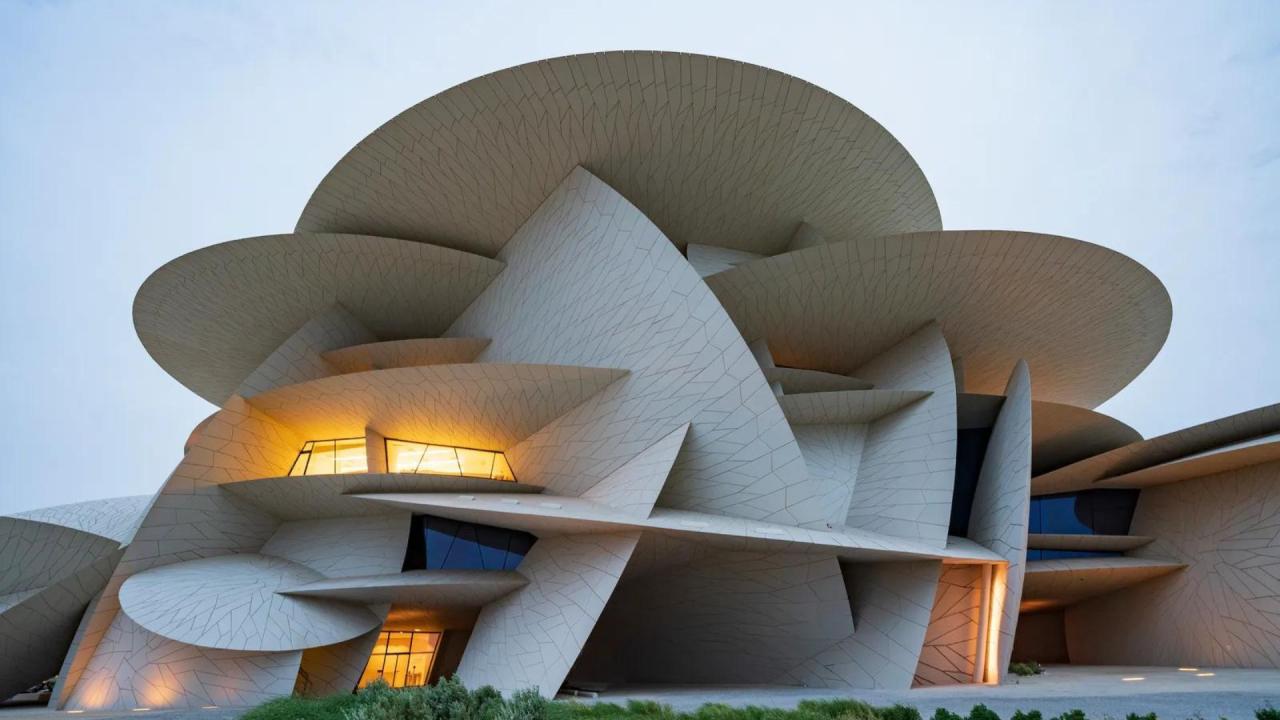
When it comes to famous architects, their legacy and impact on society are profound. Their iconic projects have not only shaped the architectural landscape but have also influenced future developments in the field.
Lasting Legacy
Many famous architects have left a lasting legacy through their innovative designs and groundbreaking concepts. Their work continues to be studied and admired by architects and designers around the world.
Influence on Future Developments
- Architects like Frank Lloyd Wright and Le Corbusier introduced new design principles that have been incorporated into modern architectural practices.
- Zaha Hadid's futuristic designs pushed the boundaries of what was thought possible in architecture, inspiring a new generation of architects to think outside the box.
- The environmentally conscious designs of architects like Norman Foster and Renzo Piano have set a precedent for sustainable architecture and green building practices.
Inspiration Today
The work of famous architects continues to inspire architects and designers today, serving as a source of creativity and innovation. Their projects are often studied in architectural schools and serve as benchmarks for aspiring architects.
FAQs
What are some common architectural styles associated with famous architects?
Famous architects are often linked to styles such as modernism, brutalism, and postmodernism, each reflecting the unique design philosophies of the architects.
How have famous architects influenced modern architecture?
Through their innovative designs and groundbreaking projects, famous architects have set trends and pushed boundaries, shaping the way we perceive and construct buildings today.
What makes an architectural project iconic?
An iconic project is distinguished by its revolutionary design, cultural significance, and lasting impact on the architectural world, often becoming a symbol of innovation and creativity.