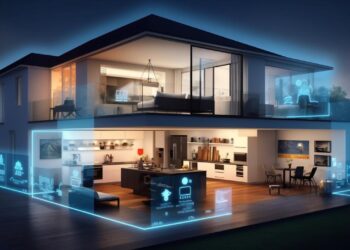
Overview of Modern Home Design
Modern home design is characterized by clean lines, minimalism, and the use of industrial materials like concrete, steel, and glass. It focuses on open spaces, natural light, and the integration of indoor and outdoor living areas.
Key Elements of Modern Home Design
- Minimalist design with clean lines and simple shapes
- Open floor plans that create a sense of spaciousness
- Large windows and skylights to maximize natural light
- Integration of indoor and outdoor living spaces
- Use of industrial materials like concrete, steel, and glass
Principles of Modern Architecture in Residential Spaces
- Form follows function: Design elements should serve a purpose
- Emphasis on simplicity and minimalism
- Integration of technology and innovation in design
- Sustainability and eco-friendly practices
Innovation and Sustainability in Modern Home Designs
Top architects incorporate innovation and sustainability in modern home designs by using energy-efficient materials, incorporating smart home technology, and designing spaces that promote natural ventilation and lighting. They also focus on the use of renewable energy sources and sustainable building practices to reduce the environmental impact of the home.
Interior Design Trends
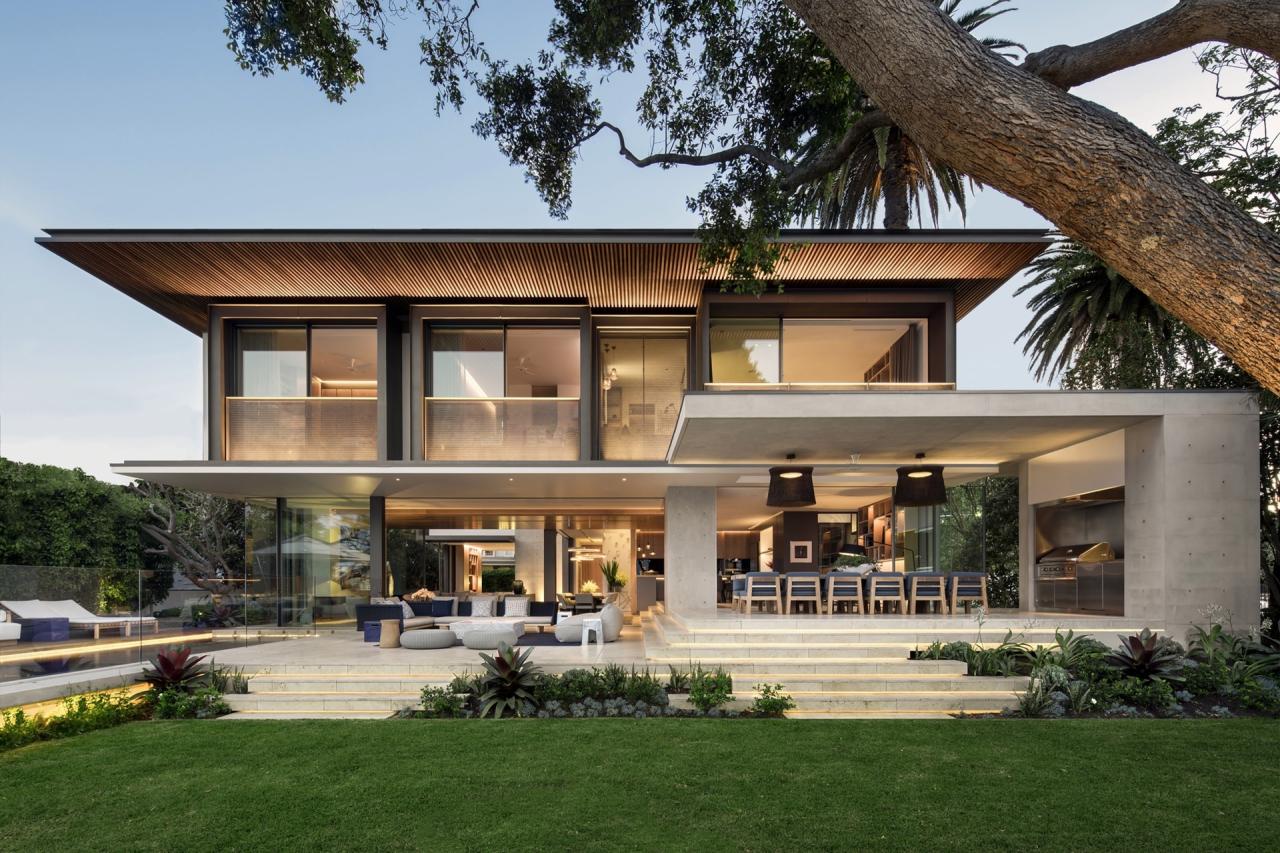
In the world of modern interior design, top architects are constantly innovating and setting new trends to create stunning living spaces. From the use of lighting to color schemes and materials, these design elements play a crucial role in shaping the overall look and feel of a modern home.
Innovative Lighting Designs
Lighting is a key component in modern interior design, as it can completely transform the atmosphere of a space. Top architects often use a combination of natural light, ambient lighting, and statement fixtures to create a dynamic and inviting environment.
For example, recessed lighting can be strategically placed to highlight architectural features, while pendant lights can add a touch of elegance to a room.
Popular Color Schemes and Materials
In modern home design, architects often opt for a neutral color palette with bold accents to create a clean and sophisticated look. Shades of grey, white, and beige are commonly used as base colors, while pops of color like navy blue or emerald green can add depth and personality to a room.
Additionally, materials such as glass, metal, and wood are frequently incorporated to add texture and contrast to the design.
Exterior Design Concepts
When it comes to modern architecture, exterior design plays a crucial role in creating a visually appealing and functional space. The exterior of a home is the first thing that people see and sets the tone for the overall design aesthetic.
Importance of Exterior Design in Modern Architecture
Exterior design in modern architecture is essential as it not only enhances the curb appeal of a home but also reflects the owner's style and personality. It sets the tone for the interior design and creates a cohesive look for the entire property.
Comparison of Different Styles of Modern Home Exteriors
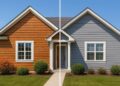
Modern home exteriors can vary greatly in style, from sleek and minimalist designs to more traditional and rustic looks. Some popular modern exterior styles include:
- Minimalist: Clean lines, simple forms, and a focus on functionality.
- Contemporary: A mix of modern and traditional elements, creating a unique and eclectic look.
- Industrial: Incorporating raw materials like steel and concrete for a rugged and edgy aesthetic.
- Mid-Century Modern: Retro-inspired designs with a focus on natural materials and open spaces.
Integration of Nature and Landscaping in Modern Home Exteriors
Architects often integrate nature and landscaping into modern home exteriors to create a seamless connection between the indoor and outdoor spaces. This can be achieved through:
- Green roofs and living walls to add a touch of nature to the exterior.
- Large windows and sliding glass doors to bring in natural light and views of the surrounding landscape.
- Outdoor living spaces like patios, decks, and gardens that blend seamlessly with the architecture of the home.
- Sustainable landscaping practices such as rain gardens and native plantings to promote environmental sustainability.
Smart Home Technology Integration
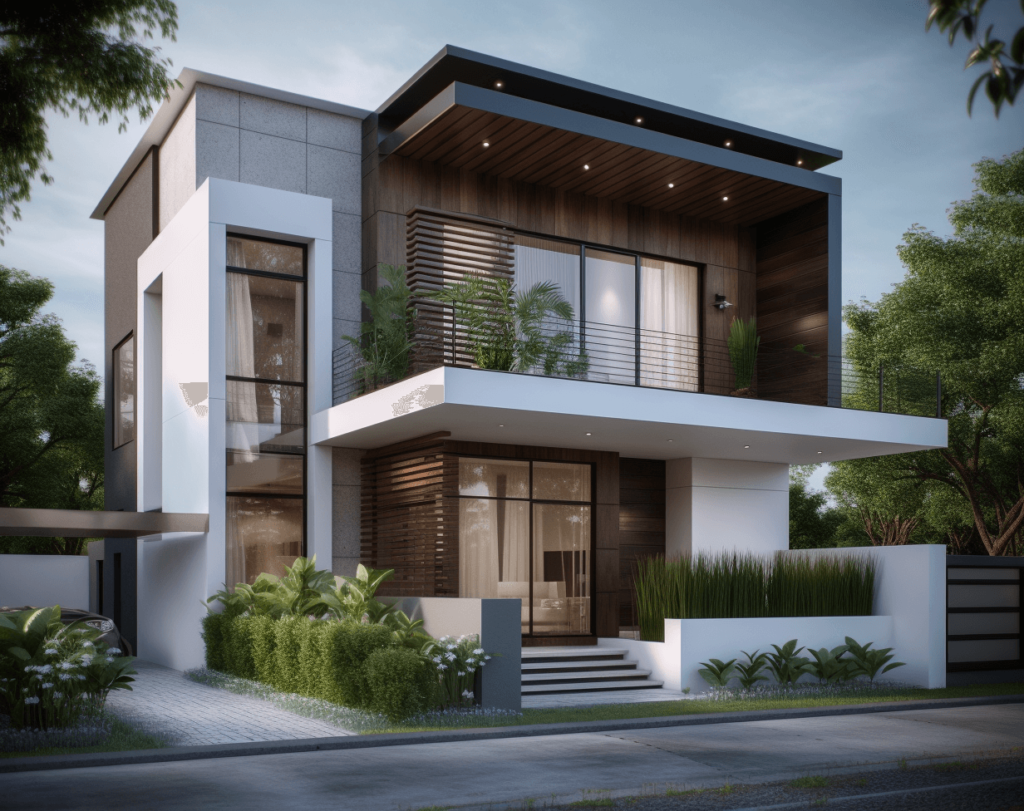
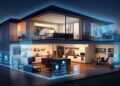
Smart home technology has become an integral part of modern home design, offering convenience, energy efficiency, and enhanced security. Top architects are incorporating these technologies seamlessly into their designs to create homes that are not only aesthetically pleasing but also technologically advanced.
Benefits of Smart Home Technology Integration
- Convenience: Smart home technology allows homeowners to control various aspects of their homes, such as lighting, temperature, security systems, and entertainment, all from their smartphones or voice commands.
- Energy Efficiency: By integrating smart thermostats, lighting systems, and appliances, homeowners can optimize energy usage and reduce utility bills.
- Enhanced Security: Smart home technology includes advanced security systems with features like smart locks, surveillance cameras, and motion sensors, providing homeowners with peace of mind.
Examples of Innovative Integration
- Automated Lighting: Architects are incorporating smart lighting systems that adjust based on natural light, time of day, and occupancy, creating a more comfortable and energy-efficient environment.
- Integrated Entertainment Systems: Home theaters with state-of-the-art audiovisual equipment that can be controlled remotely for a cinematic experience at home.
- Smart Appliances: Kitchen designs now feature smart appliances that can be operated via smartphone apps, allowing for efficient meal preparation and energy savings.
Query Resolution
How do top architects incorporate sustainability into modern home designs?
Top architects integrate sustainability by using eco-friendly materials, energy-efficient systems, and passive design strategies to reduce environmental impact.
What are some popular color schemes used in modern home design?
Neutral palettes, such as whites, greys, and earth tones, are commonly used in modern home design to create a sense of space and tranquility.
Why is exterior design important in modern architecture?
Exterior design plays a crucial role in modern architecture as it reflects the overall aesthetic of the home and creates a harmonious connection with the surrounding environment.
How do architects seamlessly integrate smart home technology into modern designs?
Architects incorporate smart home technology by concealing devices within the design, using automation to control systems, and ensuring a sleek and seamless integration with the overall aesthetic.