Interior Architecture
.webp "Interior vs Exterior Design: Key Differences Explained")
Interior architecture focuses on the design and functionality of indoor spaces, considering both aesthetic appeal and practicality. It involves the strategic arrangement of elements within a building to enhance the user experience and meet specific needs.
Functionality Influence
Interior architecture plays a crucial role in influencing the functionality of a space. For example, the layout of a kitchen can be designed to optimize workflow and efficiency, with well-placed counters and storage solutions. In an office setting, the arrangement of workstations and meeting areas can impact productivity and collaboration among employees.
Cohesive Design Aesthetic
Another key aspect of interior architecture is its contribution to creating a cohesive design aesthetic within a building. By considering factors such as color schemes, materials, and furniture choices, interior architects can ensure that each space within a building complements the overall design concept.
This harmony helps to unify different areas and create a seamless flow throughout the building.
Exterior Architecture

Exterior architecture refers to the design elements, materials, and aesthetic features of the outer shell of a building. It plays a crucial role in shaping the overall appearance and identity of a structure, as it is the first impression that people get when they see a building.When compared to interior architecture, exterior architecture focuses more on the building's relationship with its surroundings, climate considerations, and the overall impact on the urban landscape.
While interior architecture prioritizes functionality and user experience, exterior architecture is more about creating a visually appealing and harmonious structure that complements its environment.
Design Principles
- Exterior architecture emphasizes the use of durable materials that can withstand weather conditions and maintain their aesthetic appeal over time.
- Attention is given to the building's orientation, placement of windows, and overall form to optimize natural light, ventilation, and energy efficiency.
- Exterior design elements such as facades, roofs, and landscaping are carefully planned to create a cohesive and visually striking appearance.
Impact on Curb Appeal
Exterior architecture significantly influences the curb appeal of a building, which refers to its attractiveness and charm when viewed from the street. A well-designed exterior can enhance the overall value of a property, attract potential buyers or tenants, and create a positive impression on visitors.
Elements such as color schemes, textures, and architectural details all contribute to the curb appeal and visual identity of a building.
Key Differences
Interior and exterior architecture differ significantly in terms of materials used, lighting design, and the relationship between the two in creating a seamless transition between indoor and outdoor spaces.
Materials Used
In interior architecture, materials are often selected for their aesthetic appeal and functionality within a confined space. Common materials include wood, glass, steel, and various textiles. These materials are chosen to create a specific atmosphere, enhance the design concept, and provide comfort to occupants.
On the other hand, exterior architecture requires materials that can withstand harsh weather conditions, UV exposure, and other environmental factors. Materials like concrete, brick, stone, and metal are commonly used in exterior architecture for their durability and weather-resistant properties.
Lighting Design
Lighting design plays a crucial role in both interior and exterior architecture but varies significantly between the two. In interior architecture, lighting is used to enhance the ambiance, highlight architectural features, and create a functional and comfortable environment. Various types of lighting fixtures, such as chandeliers, recessed lights, and track lighting, are used to achieve different lighting effects.
In contrast, exterior architecture focuses on safety, security, and visibility
Seamless Transition
The relationship between interior and exterior architecture is crucial in creating a seamless transition between indoor and outdoor spaces. Architects and designers often use elements like large windows, sliding doors, and consistent design elements to blur the boundaries between the two spaces.
This integration allows natural light to penetrate indoor spaces, provides views of the surrounding landscape, and enhances the overall user experience. By carefully considering the relationship between interior and exterior architecture, designers can create a harmonious flow between the built environment and the natural surroundings.
Functional vs. Aesthetic Considerations
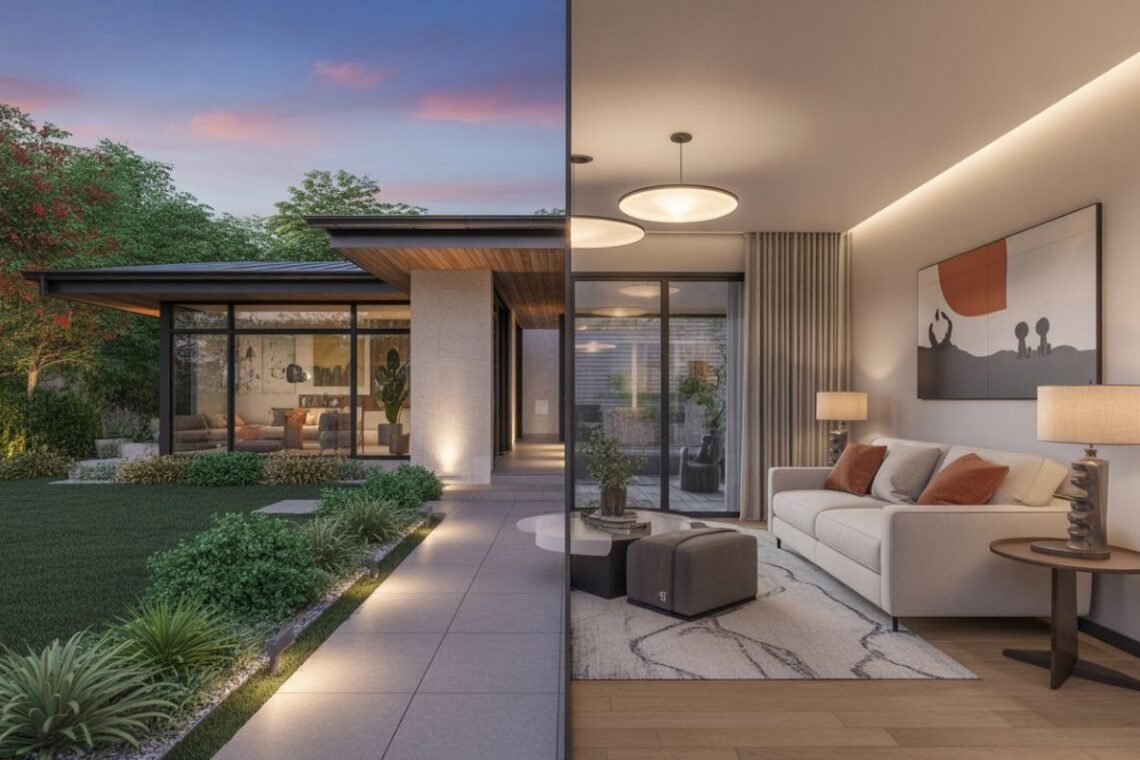
Functional and aesthetic considerations play crucial roles in the design of both interior and exterior architecture. While functionality ensures that a space meets the practical needs of its users, aesthetics focus on the visual appeal and artistic elements of the design.When it comes to interior architecture, functional considerations heavily influence design choices.
Designers must carefully plan the layout, circulation, and placement of elements to optimize the functionality of the space. For example, in a commercial building, the interior design must facilitate smooth traffic flow for customers while also providing an efficient workspace for employees.
This balance between functionality and usability is key in creating a successful interior space.On the other hand, exterior architecture often requires striking a delicate balance between aesthetics and functionality. While the exterior of a building should be visually appealing and complement its surroundings, it also needs to withstand environmental factors and serve its intended purpose.
For instance, a building's facade may feature intricate designs and materials for aesthetic purposes, but it must also provide insulation and protection from the elements.In terms of materials, interior architecture tends to prioritize comfort and usability. Materials such as wood, fabric, and soft furnishings are commonly used to create a warm and inviting atmosphere.
In contrast, exterior architecture often relies on durable and weather-resistant materials like concrete, steel, and glass to ensure longevity and functionality. The choice of materials in both interior and exterior architecture is closely tied to the desired balance between functionality and aesthetics.
Use of Materials in Interior and Exterior Architecture
In interior architecture, the use of materials is driven by the need for comfort, durability, and visual appeal. Soft fabrics like velvet or leather are often used for upholstery to enhance comfort, while materials like wood and stone add a touch of elegance to the space.
Lighting fixtures and decorative elements are carefully selected to create a cohesive design that meets both functional and aesthetic requirements.On the other hand, exterior architecture focuses on materials that can withstand harsh weather conditions and maintain the structural integrity of the building.
Concrete is a popular choice for building exteriors due to its strength and durability, while glass is used to introduce natural light and create a modern look. The use of materials in exterior architecture is not only about aesthetics but also about ensuring the longevity and sustainability of the building.
Popular Questions
What are the main differences between interior and exterior architecture?
Interior architecture focuses on the design and functionality of indoor spaces, while exterior architecture deals with the design and appearance of the outer structure of buildings.
How does lighting design differ in interior and exterior architecture?
Interior architecture often utilizes artificial lighting to create ambiance and highlight specific areas, whereas exterior architecture relies more on natural light and strategic placement of fixtures to enhance the overall look of a building.
What role does material selection play in interior and exterior architecture?
Materials in interior architecture are chosen for their functionality and aesthetic appeal inside a building, while exterior architecture materials are selected based on durability, weather resistance, and visual impact from the outside.