Sustainable Building Materials
In the realm of sustainable architecture, the choice of building materials plays a crucial role in reducing environmental impact and promoting long-term sustainability. Innovative sustainable materials are constantly being developed and adopted by architects and builders to create eco-friendly structures that are both aesthetically pleasing and environmentally responsible.
Innovative Sustainable Materials
- Bamboo: A fast-growing renewable resource that is lightweight, strong, and flexible, making it an ideal material for construction.
- Recycled plastic: Utilizing plastic waste to create durable building materials, reducing the amount of plastic pollution in landfills and oceans.
- Rammed earth: A technique that compresses natural earth to create sturdy walls, providing excellent thermal mass properties for energy efficiency.
- Cork: Harvested from the bark of cork oak trees without harming the tree, cork is a sustainable and insulating material used for flooring, walls, and roofs.
Environmental Benefits
- Reduced carbon footprint: Sustainable materials often require less energy to produce, resulting in lower greenhouse gas emissions.
- Promotion of circular economy: Using recycled or renewable materials helps to close the loop on resource consumption and waste generation.
- Improved indoor air quality: Many sustainable materials are non-toxic and emit fewer harmful chemicals, creating healthier living environments.
Cost-Effectiveness Comparison
- Initial cost vs. long-term savings: While some sustainable materials may have a higher upfront cost, their durability and energy efficiency can lead to significant savings over time.
- Maintenance and repair expenses: Sustainable materials often require less maintenance and have longer lifespans, reducing the need for frequent repairs and replacements.
- Market demand and availability: As the demand for sustainable materials increases, their costs are becoming more competitive with traditional materials, making them a viable choice for cost-conscious projects.
Energy-Efficient Design Techniques
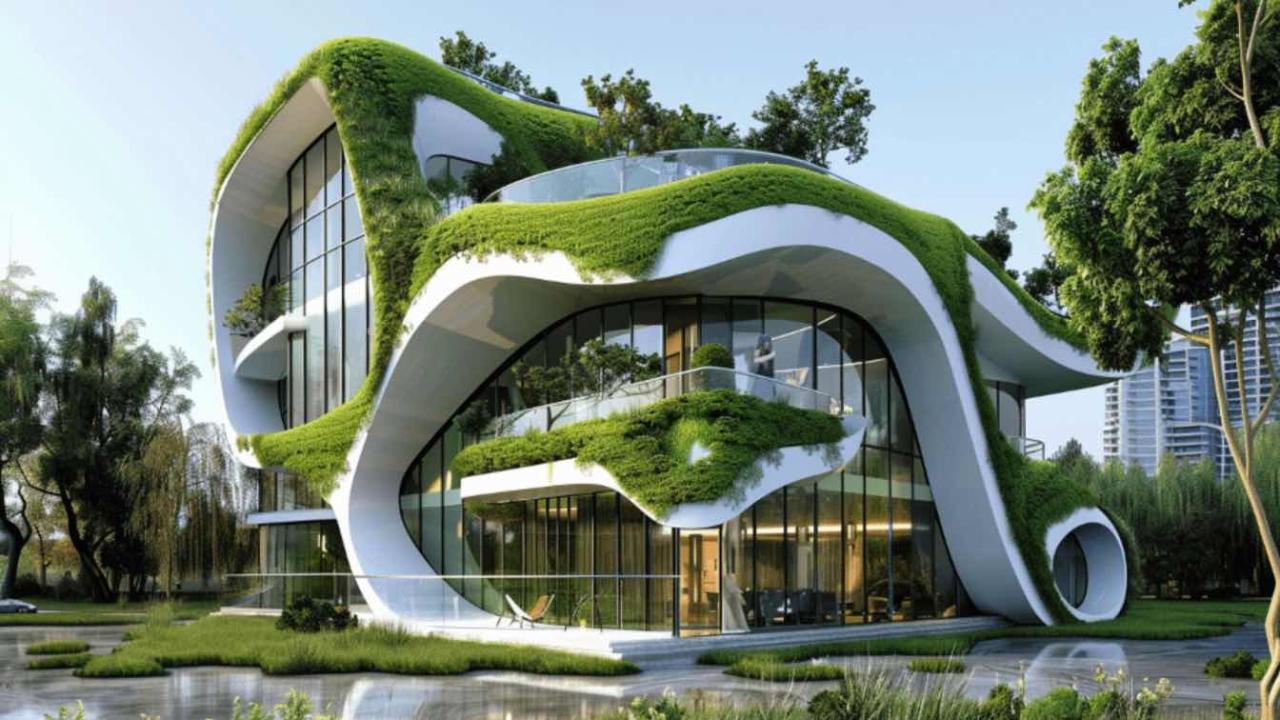
Passive design in sustainable architecture involves using natural elements such as sunlight, ventilation, and thermal mass to maintain a comfortable indoor environment without relying heavily on mechanical systems. By strategically positioning windows, shading devices, and insulation, passive design maximizes energy efficiency and reduces the need for artificial heating and cooling.
Energy-Efficient HVAC Systems
Energy-efficient HVAC systems play a crucial role in sustainable architecture by minimizing energy consumption and reducing greenhouse gas emissions. Some examples of energy-efficient HVAC systems include:
- Geothermal heat pumps: Utilize the earth's natural temperature to heat and cool buildings efficiently.
- VRF (Variable Refrigerant Flow) systems: Provide precise control over temperature zones, reducing energy waste.
- Ductless mini-split systems: Offer zone-specific heating and cooling, saving energy by avoiding the need to condition unoccupied spaces.
Role of Solar Panels and Renewable Energy Sources
Solar panels and other renewable energy sources are essential components of sustainable architecture as they help reduce dependence on fossil fuels and decrease carbon footprint. Solar panels harness sunlight to generate electricity, providing a clean and renewable energy source for buildings.
In addition to solar power, wind turbines, hydropower, and biomass can also be integrated into sustainable architecture to further enhance energy efficiency and environmental sustainability.
Green Roofs and Vertical Gardens
Green roofs and vertical gardens are innovative sustainable design elements that offer a range of benefits for buildings and urban environments.
Benefits of Incorporating Green Roofs
Green roofs provide numerous advantages, such as:
- Increase energy efficiency by providing natural insulation, reducing heating and cooling costs.
- Enhance air quality by absorbing pollutants and carbon dioxide, while releasing oxygen.
- Manage stormwater runoff by absorbing rainwater and reducing the load on drainage systems.
Impact of Vertical Gardens on Urban Environments
Vertical gardens contribute positively to urban areas in the following ways:
- Improve air quality by absorbing pollutants and producing oxygen.
- Enhance aesthetics and biodiversity in densely populated cities.
- Reduce the urban heat island effect by providing natural cooling properties.
Maintenance Requirements Comparison
While both green roofs and vertical gardens offer environmental benefits, they differ in maintenance requirements:
- Green roofs typically require less frequent maintenance compared to vertical gardens, as they involve planting vegetation directly on the roof surface.
- Vertical gardens may need more regular care due to the complexity of irrigation systems and plant maintenance in a vertical setting.
- Regular inspection and upkeep are essential for both green roofs and vertical gardens to ensure longevity and optimal performance.
Smart Building Technologies
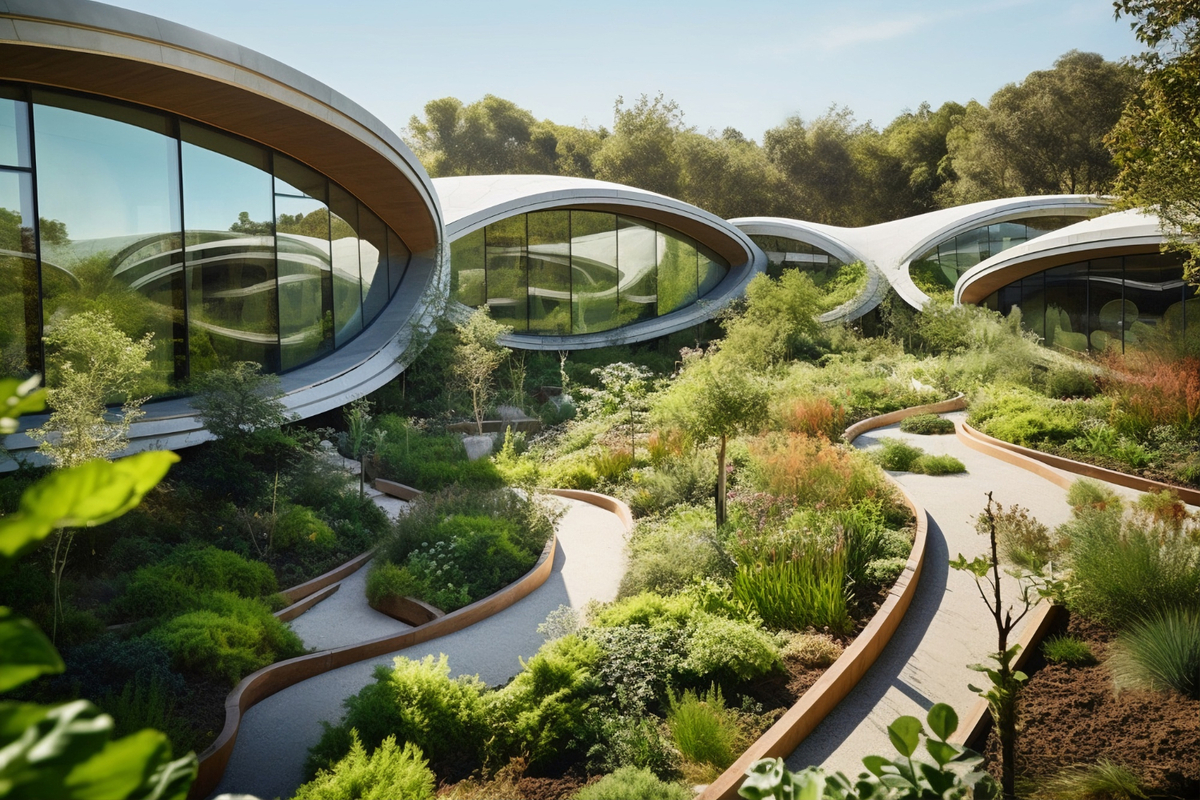
Smart Building Technologies play a crucial role in optimizing energy usage and improving sustainability in buildings. By integrating IoT devices, smart sensors, and AI technology, buildings can become more efficient and environmentally friendly.
IoT Devices for Energy Optimization
IoT devices can collect real-time data on energy consumption, allowing building managers to monitor and analyze usage patterns. By identifying areas of inefficiency, such as heating, cooling, or lighting, adjustments can be made to optimize energy usage and reduce waste.
Smart Sensors for Lighting and Temperature Control
The integration of smart sensors in buildings enables automated lighting and temperature control based on occupancy and environmental conditions. By adjusting lighting levels and room temperatures as needed, energy waste can be minimized while ensuring occupant comfort.
AI for Predicting and Improving Sustainability
Artificial Intelligence can analyze data collected by IoT devices and smart sensors to predict energy usage patterns and identify opportunities for improvement. AI algorithms can optimize building systems for maximum efficiency, ultimately enhancing sustainability and reducing environmental impact.
Adaptive Reuse and Circular Design
Adaptive reuse and circular design are essential concepts in sustainable architecture that focus on minimizing waste and maximizing the use of existing resources. By repurposing existing structures and materials, architects can reduce the environmental impact of new construction projects.
Adaptive Reuse Projects
Adaptive reuse projects involve transforming old buildings into new, functional spaces while preserving their historical and architectural significance. One notable example is the High Line in New York City, where an abandoned elevated railway was converted into a public park.
This project not only preserved a piece of the city's history but also created a sustainable green space for the community to enjoy.
Circular Design Principles
Circular design is based on the idea of creating closed-loop systems where resources are reused and recycled continuously. In architecture, this means designing buildings and spaces with materials that can be easily disassembled, repurposed, or recycled at the end of their lifespan.
By implementing circular design principles, architects can reduce waste and promote a more sustainable approach to construction.
Challenges and Opportunities
Implementing adaptive reuse and circular design in architecture comes with its own set of challenges and opportunities. One of the main challenges is the lack of awareness and understanding of these concepts among architects and developers. Additionally, retrofitting existing buildings for adaptive reuse can be more complex and costly than new construction.
However, the opportunities are vast - from reducing carbon emissions and waste to preserving cultural heritage and creating unique, innovative spaces.
Resilient Architecture
Resilient architecture refers to the design and construction of buildings that can withstand and adapt to various natural disasters and climate change impacts. In the face of increasing environmental challenges, such as extreme weather events and rising sea levels, resilient architecture plays a crucial role in ensuring the safety and sustainability of our built environment.
Strategies for designing buildings that can withstand natural disasters
When designing buildings to withstand natural disasters, architects and engineers employ a range of strategies to enhance resilience:
- Use of durable and disaster-resistant building materials, such as reinforced concrete and steel.
- Incorporation of flexible and adaptive design features to allow buildings to move and shift in response to seismic activity or high winds.
- Implementation of robust structural systems, including deep foundations and bracing elements, to provide stability during earthquakes or hurricanes.
- Integration of advanced technology, such as real-time monitoring systems and emergency backup power, to ensure continuous operation and safety in the event of a disaster.
Case studies of resilient architecture projects around the world
Several notable projects showcase the principles of resilient architecture in action:
1. The Bosco Verticale in Milan, Italy, features two residential towers covered in lush vegetation, providing natural insulation, reducing energy consumption, and mitigating urban heat island effects.
2. The New York City flood barrier project includes the construction of flood walls, levees, and green infrastructure to protect the city from storm surges and sea-level rise.
3. The Floating Pavilion in Rotterdam, Netherlands, is a floating structure designed to rise with floodwaters, ensuring continued functionality during periods of inundation.
Community-Centric Design
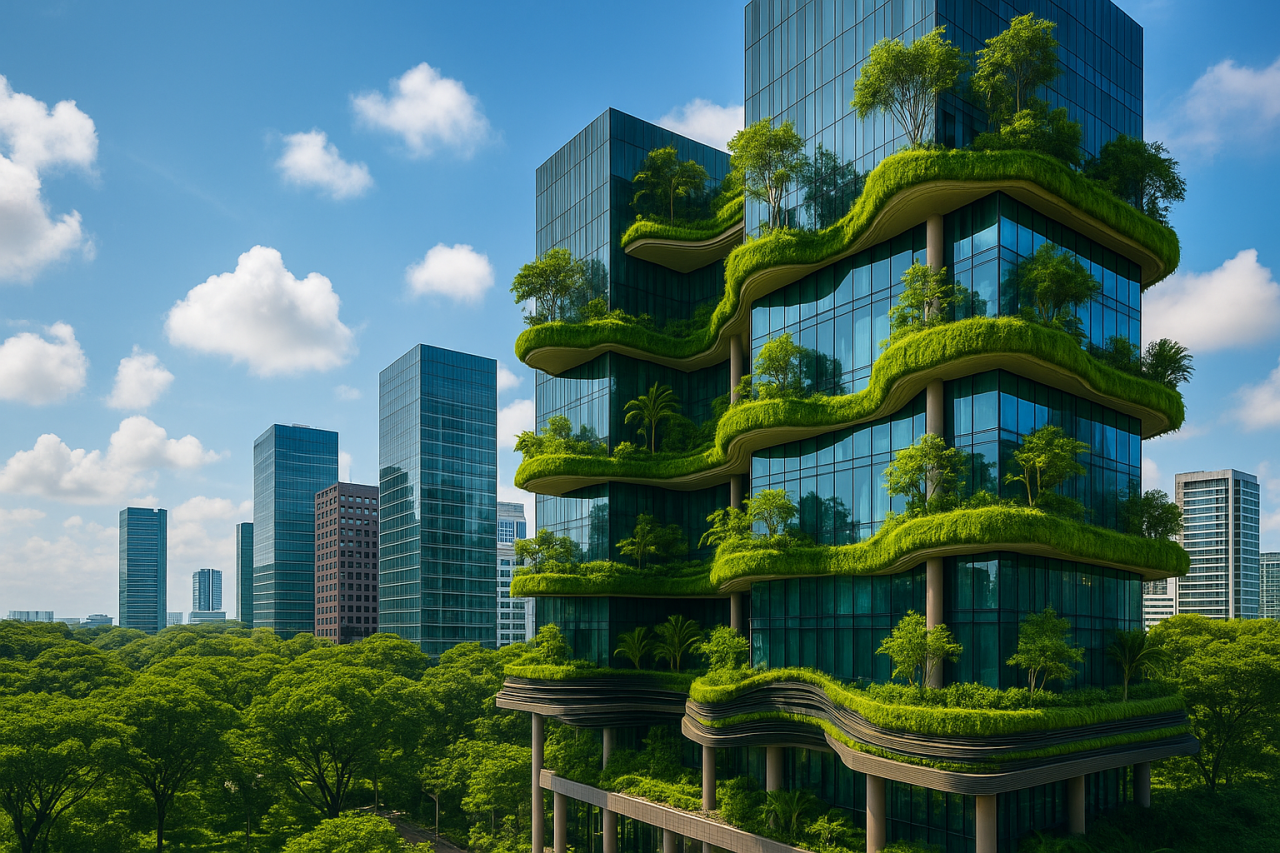
Sustainable architecture plays a crucial role in enhancing community well-being by creating spaces that prioritize the health and happiness of residents. Community-centric design focuses on fostering a sense of belonging, promoting social interactions, and improving overall quality of life.
Importance of Community Involvement
Community involvement in the design process is essential as it ensures that the needs and preferences of the residents are taken into consideration. By actively engaging with the community, architects and designers can create spaces that reflect the values and identity of the people who will be using them.
Biophilic Design Impact on Community Spaces
Biophilic design, which incorporates elements of nature into the built environment, has a profound impact on community spaces. By integrating natural elements such as greenery, natural light, and water features, biophilic design helps create environments that reduce stress, improve mental well-being, and enhance overall quality of life for residents.
Commonly Asked Questions
What are some innovative sustainable materials used in architecture?
Innovative sustainable materials include cross-laminated timber, bamboo, recycled glass, and rammed earth.
How does passive design contribute to sustainable architecture?
Passive design utilizes natural elements like sunlight and ventilation to reduce energy consumption in buildings.
What are the benefits of green roofs in buildings?
Green roofs provide insulation, reduce urban heat island effect, and promote biodiversity.
How can IoT devices optimize energy usage in buildings?
IoT devices can monitor energy consumption and adjust systems for optimal efficiency.
What is the importance of community involvement in sustainable architecture?
Community involvement ensures that architectural design meets the needs and values of the people it serves.